Africa’s Greenest Capital
For many first-time visitors to Africa, the arrival in Kigali is a moment of pure surprise. Expecting the chaotic, traffic-choked streets and litter-strewn pavements common in many global megacities, they instead find a metropolis that is remarkably clean, orderly, and green. Kigali is widely regarded as one of Africa’s most liveable and beautiful cities, and this is no accident. It is the result of visionary planning, strict environmental laws, and a collective sense of civic duty among its residents. For the tourist, navigating this eco-conscious city requires an understanding of a few key rules and cultural norms that make Kigali truly unique.
The Plastic Bag Ban: A Regional Leader
Rwanda was a global pioneer in the fight against plastic pollution, being one of the first countries in the world to implement a total ban on non-biodegradable plastic bags back in 2008. When you arrive at Kigali International Airport, do not be surprised if your luggage is searched and any plastic bags are confiscated. They take this very seriously. Instead, use reusable fabric bags or paper bags. This ban has had a profound impact on the city’s appearance, as you won’t see the “national flower”—the blue and white plastic bags caught in trees or clogging drains—that is unfortunately common elsewhere. In 2019, Rwanda expanded this ban to include all single-use plastics, including straws, bottles, and food packaging.
Umuganda: The Power of Community Work
If you find the streets of Kigali strangely quiet on the last Saturday morning of each month, it is because of Umuganda. This Kinyarwanda word literally translates as “coming together in common purpose to achieve an outcome.” Between 8:00 AM and 11:00 AM, all able-bodied Rwandans aged 18 to 65 are expected to participate in mandatory community service. This might involve cleaning the streets, planting trees, repairing schools, or building houses for the vulnerable. While tourists are not required to participate, they are encouraged to respect the spirit of the day. Shops and businesses are closed, and public transport is restricted. It is this collective effort that keeps Kigali so impeccably clean and fosters a strong sense of national unity.
A Focus on Green Spaces and Urban Forestry
Kigali is a city of hills, and its planners have worked hard to preserve and enhance its natural beauty. You’ll notice an abundance of parks, gardens, and carefully landscaped roundabouts. The Nyandungu Eco-Park, a former wetland that was restored into a 121-hectare urban park, is a prime example of Kigali’s commitment to urban biodiversity. It features walking and cycling trails, medicinal gardens, and a variety of birdlife, providing a peaceful escape from the city’s activity. The city also has an ambitious tree-planting programme, aimed at increasing the urban forest cover to mitigate the effects of climate change and improve air quality.
The Rise of Sustainable Transport
Kigali is also making strides in sustainable transportation. The city has introduced a network of dedicated bicycle lanes and is actively encouraging cycling as a viable mode of transport. You’ll also notice an increasing number of electric moto-taxis (e-motos) on the streets, part of a government initiative to phase out petrol-powered motorcycles to reduce emissions and noise pollution. For the tourist, using these e-motos is not only an eco-friendly choice but also a fun and efficient way to zip through the city’s hilly terrain. Public buses are also relatively modern and well-organized, with a smart-card payment system that reduces paper waste.
Environmental Etiquette: Tips for the Responsible Tourist
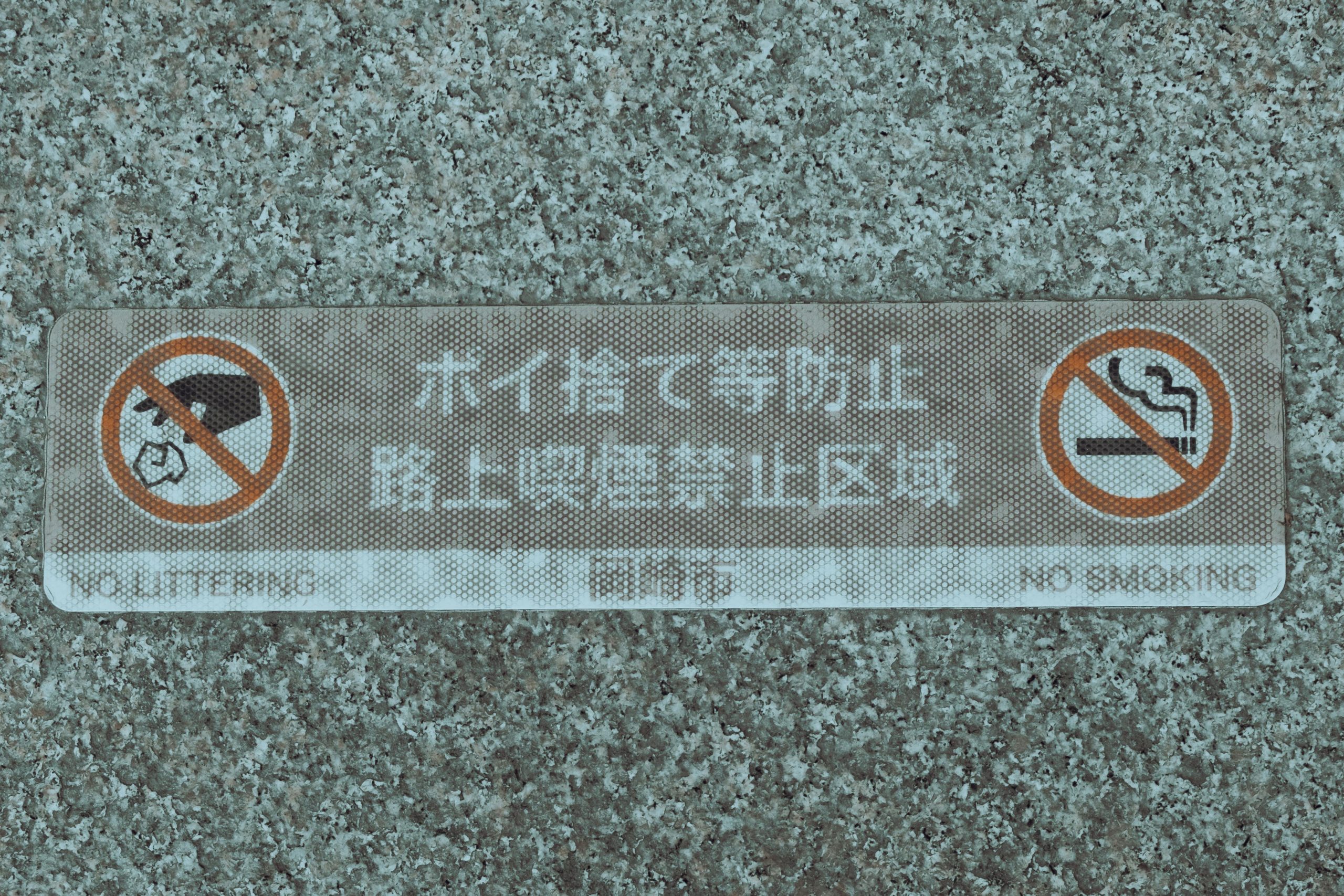
As a guest in Africa’s cleanest city, there are a few simple ways you can contribute to its maintenance. Firstly, **never litter**. There are bins located frequently along the main streets and in public parks. If you can’t find a bin, hold onto your rubbish until you return to your hotel. Secondly, embrace the “plastic-free” life. Carry a reusable water bottle; most high-end hotels and cafes provide filtered water stations. Thirdly, be mindful of your water and energy consumption. While Rwanda has made massive strides in electricity and water access, these remain precious resources. Simple actions like turning off the lights when leaving your room and taking shorter showers go a long way.
A City of Innovation and Technology
Kigali’s green initiatives are often powered by technology. From drone delivery of medical supplies (by the company Zipline) to the widespread use of mobile money payments (M-Pesa/Airtel Money) which reduces the need for paper receipts and physical cash, the city is a hub for “green tech.” Many of the newer buildings in the Central Business District are designed with sustainable features, such as rainwater harvesting and solar-powered cooling systems. This forward-thinking approach has made Kigali a model for other African cities looking to balance rapid urbanization with environmental stewardship.
Why Cleanliness Matters
For Rwandans, the cleanliness of Kigali is more than just aesthetics; it is a symbol of their dignity, their pride, and their recovery. After the devastation of the 1994 genocide, the process of rebuilding the country began with the simple act of cleaning up. A clean environment is seen as essential for public health, tourism, and investment. When you appreciate the spotless streets of Kigali, you are also appreciating the resilience of a people who have chosen to build a beautiful, orderly future from the ruins of the past.
Conclusion
Kigali is a city that demonstrates what is possible when a community shares a vision for a cleaner, greener world. Its absence of litter, its lush green spaces, and its pioneering environmental laws make it a truly inspiring place to visit. By respecting the plastic ban, understanding Umuganda, and being a mindful traveler, you can play your part in preserving the beauty of this remarkable capital. Kigali is not just a gateway to the gorillas; it is a destination in its own right, offering a glimpse into a sustainable and hopeful future for Africa.
Contact Ngaro Wild Adventures
Ready to explore the clean, green heart of Africa? Ngaro Wild Adventures offers comprehensive city tours of Kigali that highlight its environmental initiatives, historical landmarks, and vibrant culture. Whether you want to visit the Nyandungu Eco-Park or learn more about the city’s sustainable development, our expert guides provide a deep and insightful experience. For more information or to book your Kigali city itinerary, please contact us at +256 775 804 451 or email us at ngarowildadventures@gmail.com. Discover the beauty of an eco-conscious capital with us!